Cardiovascular-Kidney-Metabolic Syndrome: Why Doctors Now Link the Heart, Kidneys and Metabolism
The American Heart Association now describes weight, blood sugar, blood pressure, cholesterol, kidney function and heart disease as one connected syndrome with five stages. Here is what the framework says, what it changes and what it does not.
Why medicine started treating these conditions together
For most of the last century, heart disease, kidney disease and diabetes were handled by different specialists using different guidelines. Practice has been catching up with a pattern that clinicians see every day: a person with type 2 diabetes is also much more likely to have high blood pressure, kidney damage and cardiovascular disease, and each of those conditions makes the others worse. Weight and the way the body handles energy sit underneath all of them.
In 2023, the American Heart Association published a Presidential Advisory in the journal Circulation that gave this overlap a name, cardiovascular-kidney-metabolic health, and defined a syndrome that results from the interplay of metabolic risk factors, chronic kidney disease and the cardiovascular system. A guideline from the AHA, the American College of Cardiology, the American Diabetes Association and the American Society of Nephrology followed in 2026, and it is the first US guideline to treat weight, blood pressure, lipids, glucose and kidney function as one syndrome.
The significance is partly practical. Someone who has a high blood pressure reading is more likely to be asked about glucose and kidney function, and someone who learns that their kidney function is reduced is more likely to have their cardiovascular risk looked at, because the framework treats the number in front of them as one of several linked ones.
A framework, not a diagnosis
The five stages in the 2023 advisory
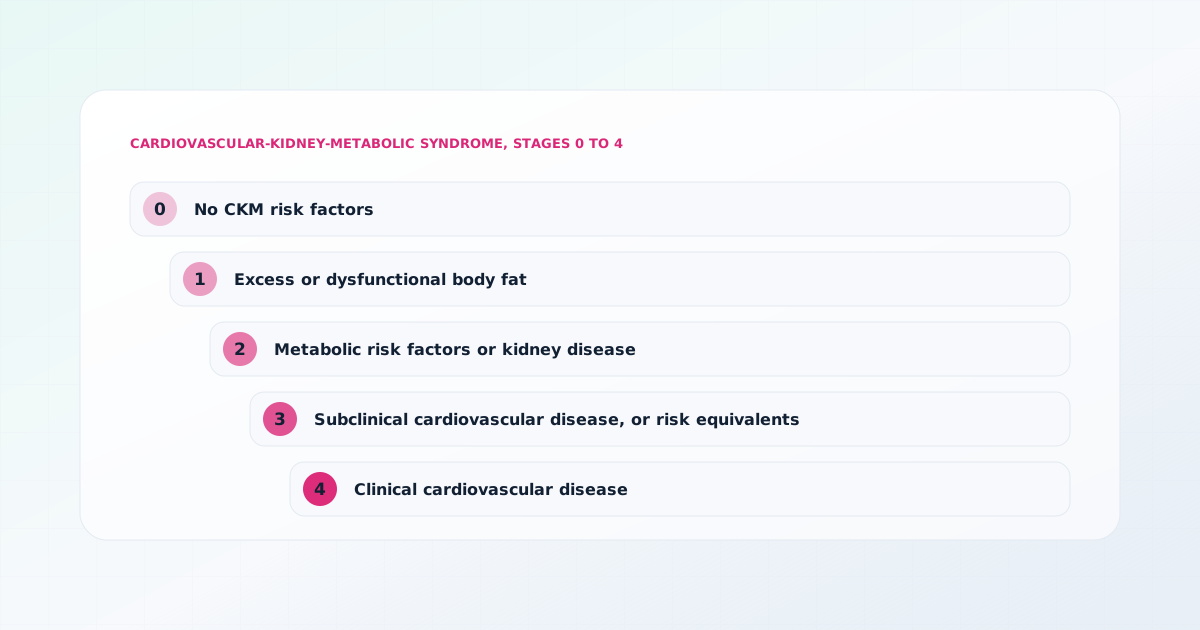
The advisory describes CKM syndrome as a progression, from the absence of risk factors to established cardiovascular disease. The stages are meant to help clinicians match the intensity of prevention to where a person sits, and they emphasize that the earlier stages are the best opportunity to change the course.
| Stage | Description | Examples of what places someone here |
|---|---|---|
| 0 | No CKM risk factors | Healthy weight and waist, normal blood pressure, glucose and lipids, and normal kidney function |
| 1 | Excess or dysfunctional body fat | Overweight or obesity, a larger waist, or prediabetes, without other metabolic risk factors or kidney disease |
| 2 | Metabolic risk factors or chronic kidney disease | Type 2 diabetes, hypertension, high triglycerides, metabolic syndrome, or moderate to high-risk chronic kidney disease |
| 3 | Subclinical cardiovascular disease in the setting of CKM, or risk equivalents | Disease that is present but not yet causing symptoms, or very high-risk kidney disease, or a high predicted cardiovascular risk |
| 4 | Clinical cardiovascular disease in the setting of CKM | Coronary disease, heart failure, stroke, peripheral artery disease or atrial fibrillation |
Two features of the staging are worth noticing. First, the early stages are defined by risk and by body composition rather than by established disease, which reflects the view that the condition begins long before a heart attack or kidney failure. Second, stage 4 is not the end of the framework: the advisory also distinguishes whether kidney failure is present, because it changes how the cardiovascular disease is managed.
How the three systems feed each other
The reasoning behind a combined syndrome is that each system affects the others in both directions, so that treating one in isolation misses part of the picture.
- Excess body fat and insulin resistance raise blood pressure, worsen lipids and push glucose upward, which injures blood vessels and the delicate filters in the kidneys.
- High blood pressure damages the kidneys over time, and reduced kidney function in turn raises blood pressure, because the kidneys help regulate fluid and salt.
- Diabetes is the leading cause of kidney failure and also accelerates atherosclerosis, the build-up of plaque in the arteries.
- Reduced kidney function increases cardiovascular risk independently of other factors, which is one reason kidney function is built into modern risk equations.
- Heart failure reduces blood flow to the kidneys, which can reduce their function, and this in turn makes fluid management harder.
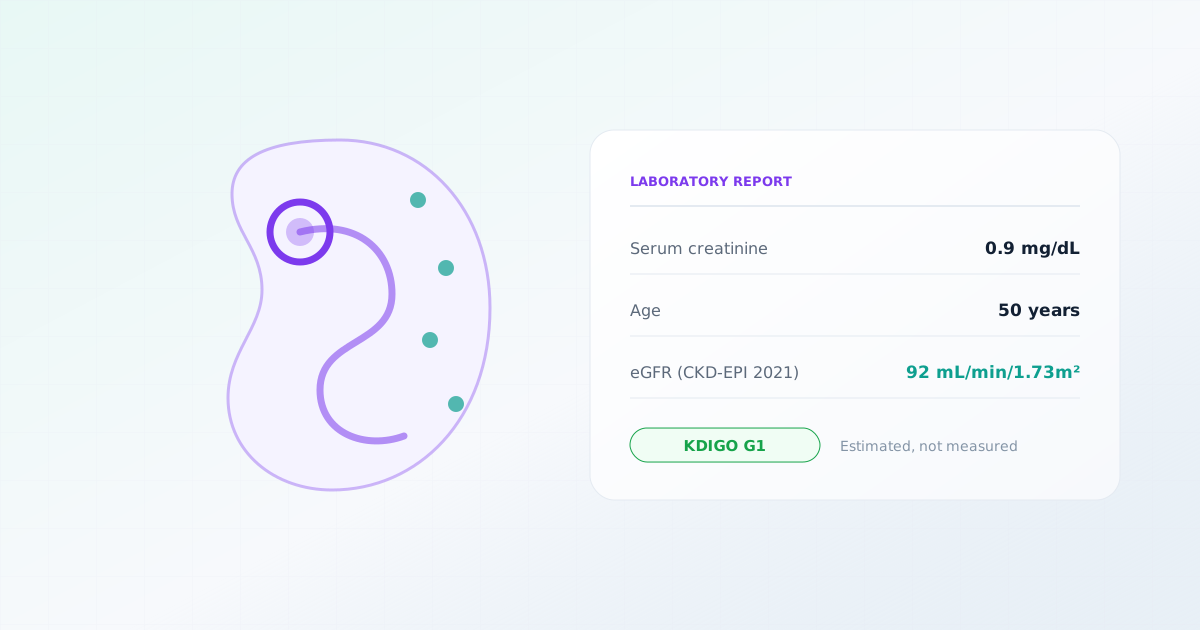
That last point about kidney function appearing in risk calculation is concrete. The PREVENT equations from the American Heart Association, which replaced the older Pooled Cohort Equations in US guidelines, take eGFR as an input, which is why a kidney number now appears in a cardiovascular risk estimate.
The numbers that tell you where you are
One practical value of the framework is that it points to a short list of measurements that most adults can already get. None of them is exotic, and each is covered by its own guide and calculator on this site.
| Domain | Measurement | What it indicates |
|---|---|---|
| Body composition | BMI, waist circumference or waist-to-height ratio | Amount and distribution of body fat |
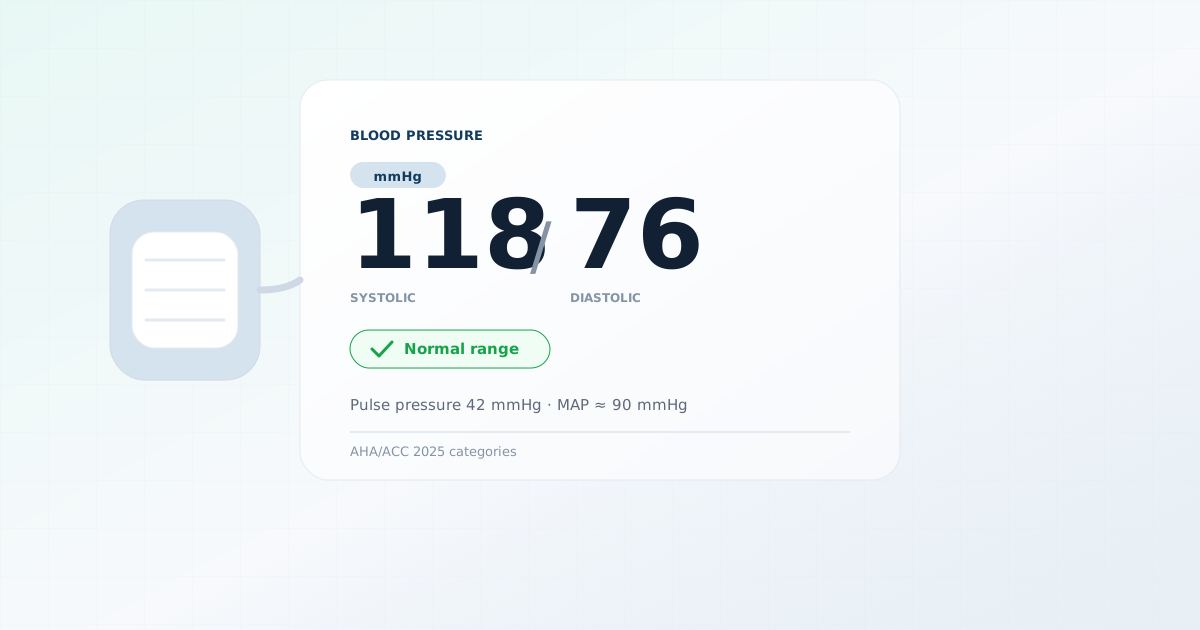
| Blood pressure | Office or home readings | Strain on arteries, heart and kidneys |
| Lipids | LDL cholesterol, HDL, triglycerides | Contribution to atherosclerosis |
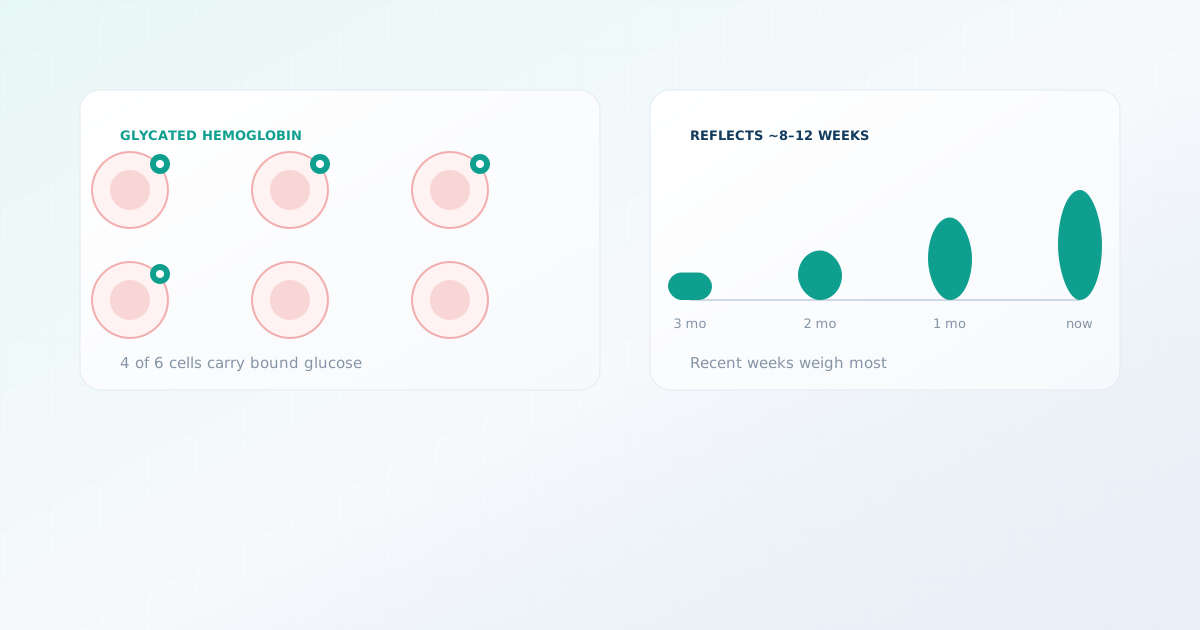
| Glucose | HbA1c or fasting glucose | Prediabetes and diabetes |
| Kidney | eGFR and urine albumin-to-creatinine ratio | Filtration and kidney damage |
What the framework changes for patients, and what it does not
In practice, the framework encourages earlier and broader screening. A clinician applying it is more likely to ask about kidney function when someone has diabetes or hypertension, and to consider glucose and weight when someone presents with a cardiovascular problem, and it supports medicines and approaches that benefit more than one system at once.
It does not change the basics of prevention, which remain the same ones that apply to each part: a healthy eating pattern, regular physical activity, adequate sleep, not smoking, and blood pressure, lipids and glucose that are managed when they are raised. And it does not change the fact that individual decisions about medicines belong to a patient and a clinician. A framework is a map, and a plan is made for a person.
Do not self-stage
Limits and open questions
Combining several conditions into a syndrome has costs as well as benefits. A broad definition can make a very large share of adults fit somewhere in the early stages, which some clinicians worry could blur the distinction between risk and disease or lead to over-treatment. Others argue that the opposite is the case, and that naming the overlap helps prevent the missed diagnoses that follow from siloed care. Both views are held by people who work in this field.
The guideline itself is recent, and the research on how well staging predicts outcomes, and on which interventions help most at each stage, continues to develop. A reader following this area should expect the details to be refined over the coming years.
The reasonable takeaway for a non-specialist is modest: the numbers for weight, blood pressure, lipids, glucose and kidney function are worth knowing together, because they affect each other, and a clinician can help put them in context.
Frequently asked questions
Sources
This page is based on the following sources. Each was reviewed on the access date shown.
- Cardiovascular-Kidney-Metabolic Health: A Presidential Advisory From the American Heart Association(opens in a new tab)
Circulation (American Heart Association)
Professional societyAccessed October 1, 2026DOI 10.1161/CIR.0000000000001184
- 2026 AHA/ACC/ADA/ASN Guideline for the Prevention, Detection, Evaluation, and Management of Cardiovascular-Kidney-Metabolic Syndrome(opens in a new tab)
Journal of the American College of Cardiology
Clinical guidelinePublished June 9, 2026Accessed October 1, 2026DOI 10.1016/j.jacc.2026.03.056
- Development and Validation of the American Heart Association PREVENT Equations(opens in a new tab)
Circulation (American Heart Association)
Peer-reviewed articleAccessed October 1, 2026DOI 10.1161/CIRCULATIONAHA.123.067626
- KDIGO 2024 Clinical Practice Guideline for the Evaluation and Management of Chronic Kidney Disease(opens in a new tab)
Kidney Disease: Improving Global Outcomes (KDIGO)
Clinical guidelinePublished March 1, 2024Accessed September 27, 2026