Healthy Aging
How health measurements change with age, and which changes are expected.
Several health numbers change with age as a matter of normal physiology, not disease. Maximum heart rate declines by roughly 0.7 beats per minute per year. Pulse pressure widens as large arteries stiffen. eGFR decreases gradually even in people with entirely healthy kidneys, which is why the equation includes an age term. Distinguishing an expected age-related change from a meaningful one is much of what interpretation involves. This hub explains which trends are anticipated, and where treatment targets themselves shift with age.
Healthy Aging tools
Calculators and converters for the measurements in this area.
Blood Pressure
Heart Health
See which guideline category a blood pressure reading falls into.
Open calculator
Pulse Pressure & MAP
Heart Health
Calculate pulse pressure and estimated mean arterial pressure from a blood pressure reading.
Open calculator
eGFR
Kidney Health
Estimate kidney filtration rate with the race-free CKD-EPI 2021 equation.
Open calculator
Ideal Body Weight
General Wellness
Compare the Devine, Robinson, Miller and Hamwi equations — and see how much they disagree.
Open calculator
Healthy Aging guides
Plain-English explanations of what these measurements mean.
 Heart Health
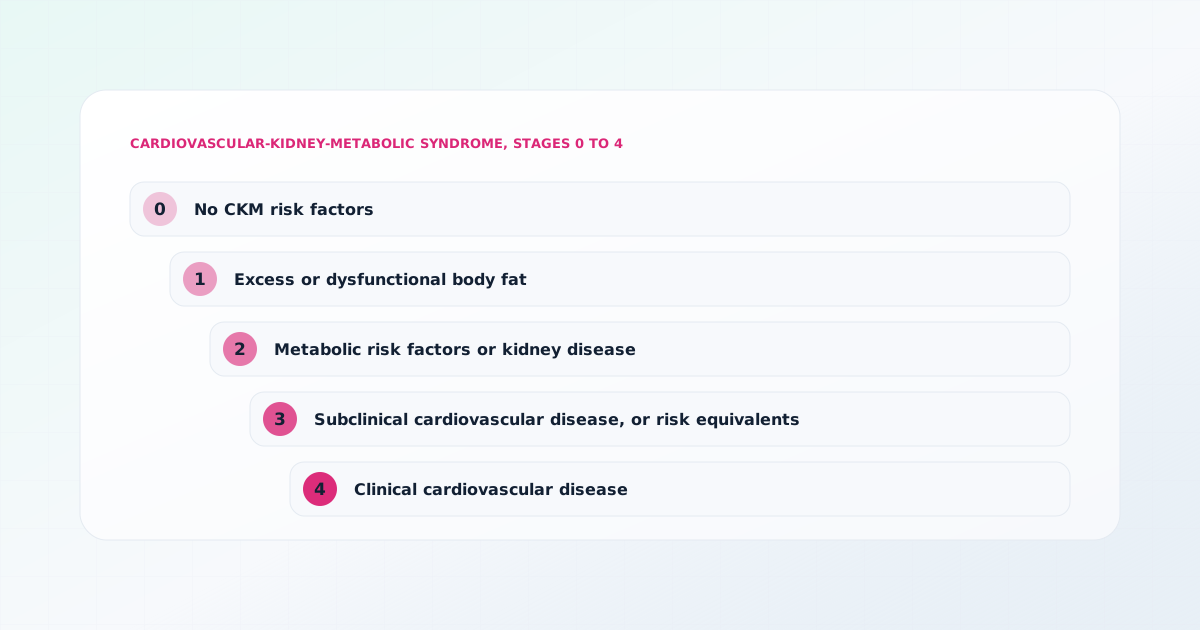
Cardiovascular-Kidney-Metabolic Syndrome: Why Doctors Now Link the Heart, Kidneys and Metabolism
The American Heart Association now describes weight, blood sugar, blood pressure, cholesterol, kidney function and heart disease as one connected syndrome with five stages. Here…
8 min read
 Kidney Health
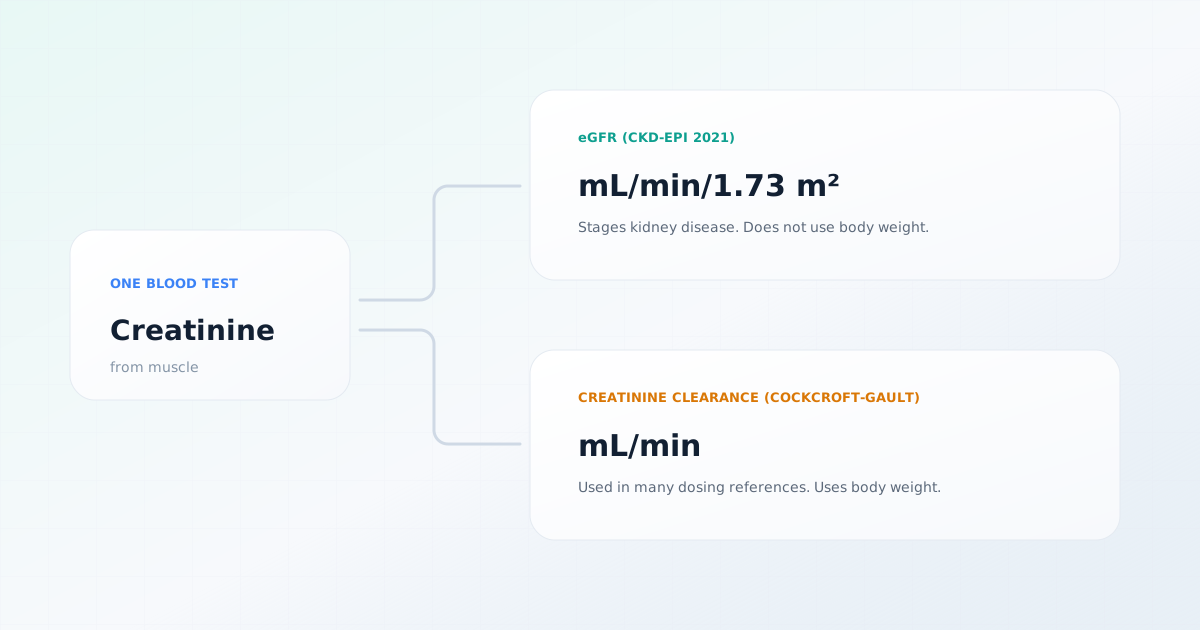
Creatinine Clearance vs eGFR: Why Two Kidney Numbers Disagree
eGFR stages kidney function in mL/min/1.73 m², while Cockcroft-Gault creatinine clearance is in mL/min and is still used for many drug doses. They come from the same blood test…
7 min read
 Fitness
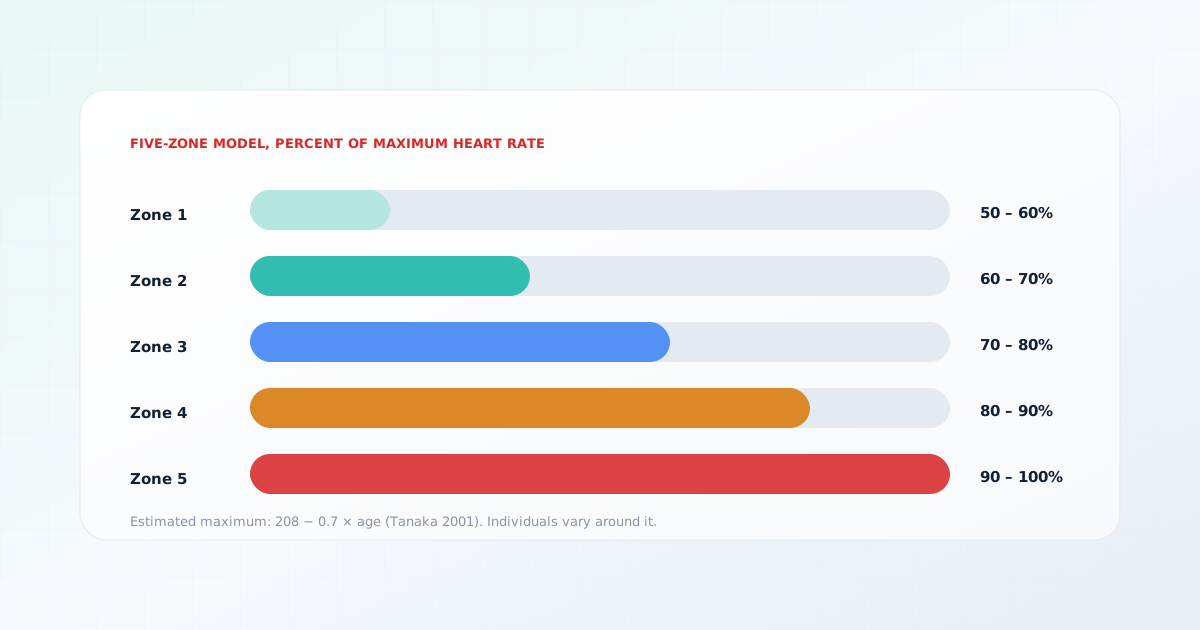
Heart Rate Zones and Maximum Heart Rate: How the Estimates Work
Maximum heart rate is usually estimated from age, using formulas such as 208 minus 0.7 times age, and training zones are percentages of that estimate. The estimate can be off by…
9 min read
 Nutrition
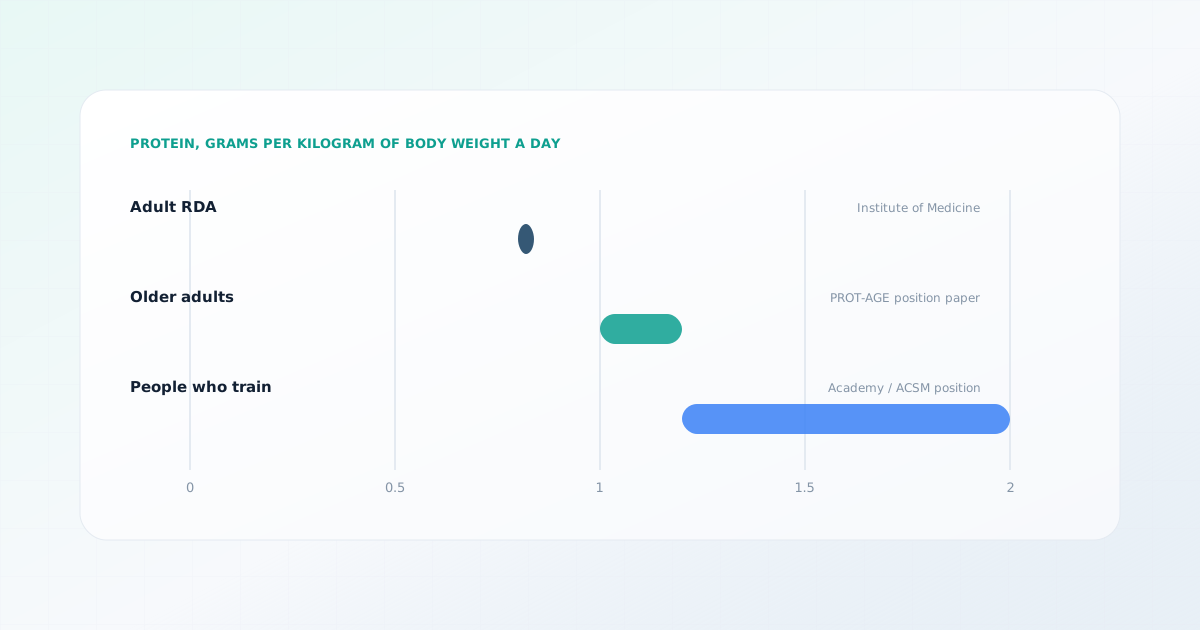
How Much Protein Do Adults Need? Three Different Answers
The US Recommended Dietary Allowance is 0.8 grams per kilogram a day, but the figure is a minimum for avoiding deficiency, and position statements for older adults and people wh…
8 min read
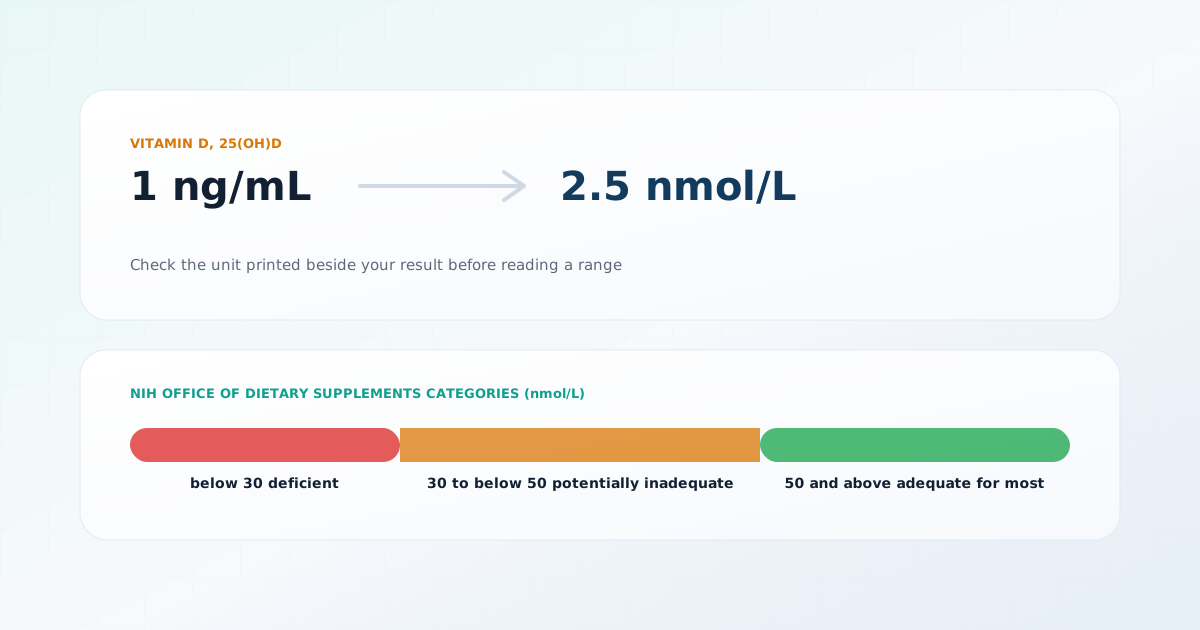 Blood Tests
Vitamin D and Vitamin B12 Blood Tests: Units, Ranges and Limits
Vitamin D is measured as 25-hydroxyvitamin D and reported in ng/mL or nmol/L, while B12 is judged from a blood level that sometimes needs a second test to interpret. Here is how…
9 min read
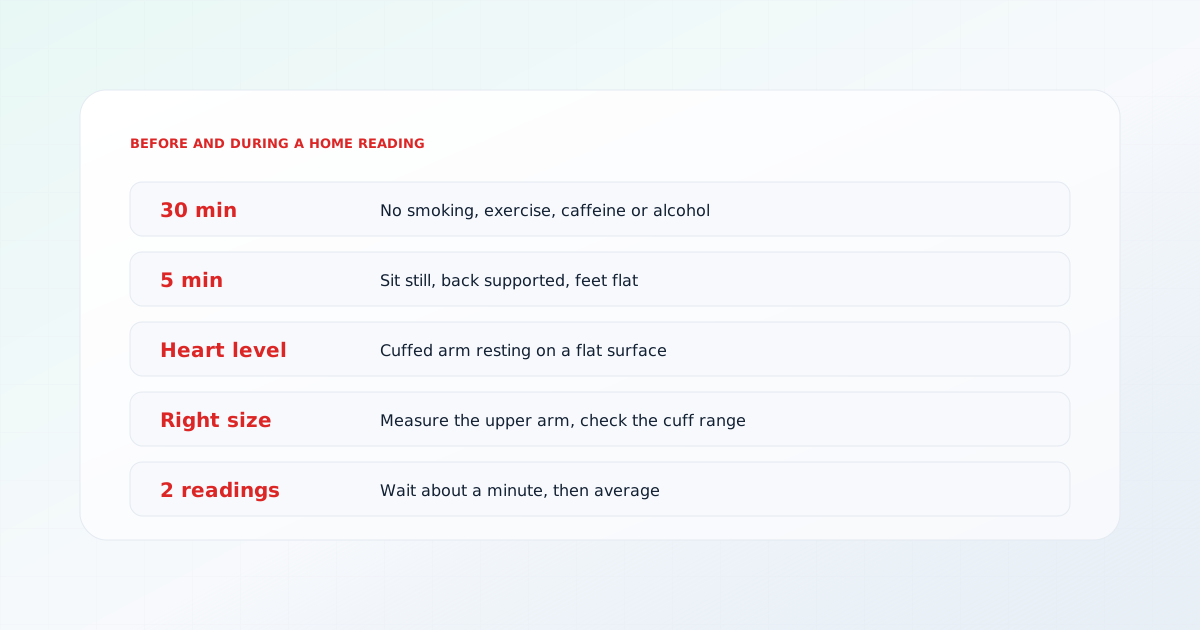 Heart Health
How to Measure Blood Pressure at Home Accurately: A Step-by-Step Guide
Posture, rest, cuff size and timing change a home blood pressure reading by enough to alter how it is classified. Here is the measurement routine the American Heart Association…
7 min read
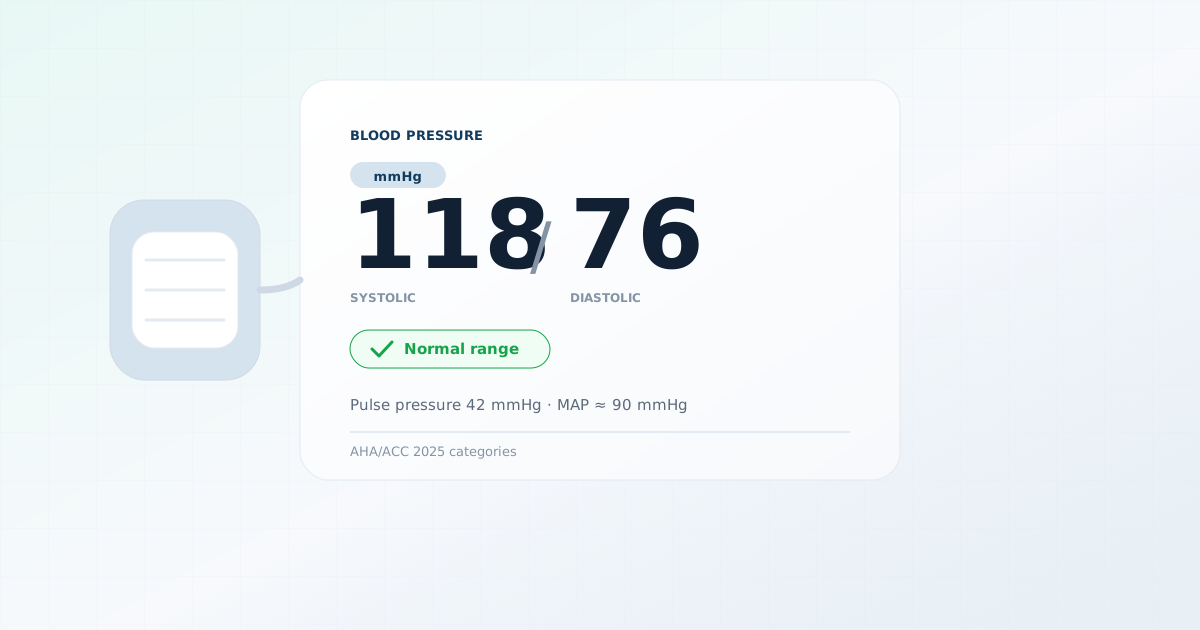 Heart Health
Understanding Blood Pressure Numbers
The top number is the pressure as your heart contracts, the bottom number is the pressure between beats. In the United States the categories come from the 2025 AHA/ACC guideline…
13 min read
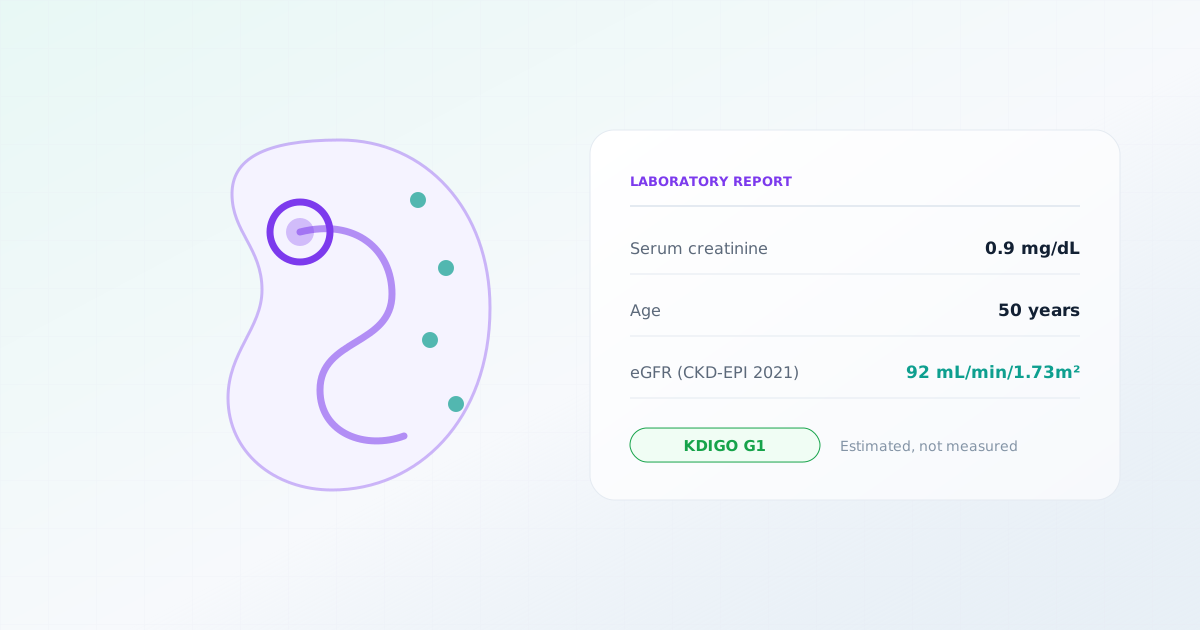 Kidney Health
What Is eGFR? Understanding Kidney Function
eGFR estimates how much blood your kidneys filter each minute, calculated from creatinine, age and sex rather than measured directly. A single result does not establish kidney d…
9 min read
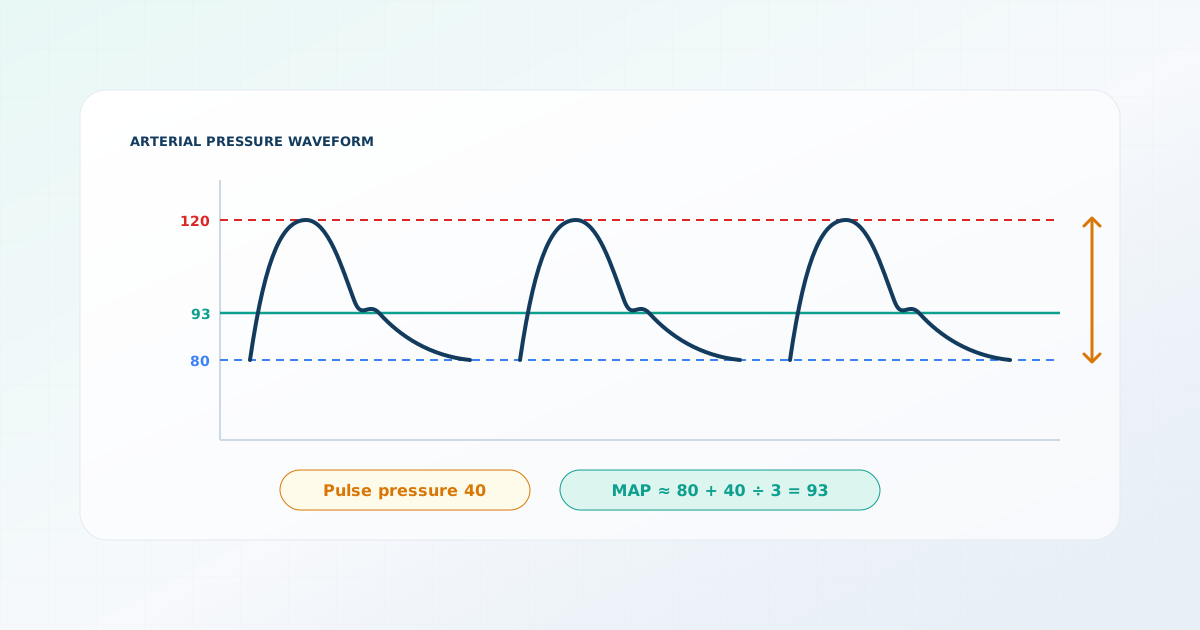 Heart Health
What Are Pulse Pressure and Mean Arterial Pressure?
Pulse pressure is the gap between your two blood pressure numbers and reflects large-artery stiffness. Mean arterial pressure is the average pressure across a full heartbeat, an…
8 min read